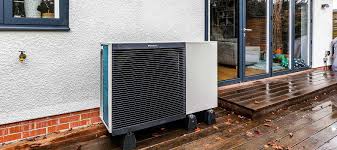
Air Source Heat Pump vs Traditional Heating Which Is More Efficient
Interest in home heating options has shifted dramatically, with more homeowners seeking sustainable and cost-effective solutions. An ongoing debate centers on air source heat pumps and their efficiency compared to traditional Air source heat pump (Luftvärmepump) methods like gas, oil, and electric furnaces. statistics and key insights to highlight how these systems stack up.
The Rise of Heat Pumps in Home Heating
Recent data reveals that global installations of air source heat pumps have soared by more than 35 percent in the past five years. This surge connects to increased awareness of climate change and energy costs. Households in regions with mild winters are leading adopters, with some countries reporting up to 40 percent of new homes outfitted with heat pump systems.
Energy Efficiency By the Numbers
Air source heat pumps stand out for their ability to convert one unit of electricity into up to three units of heat. This efficiency, measured by the coefficient of performance (COP), often averages around 3.0 for modern systems. By contrast, the average natural gas furnace operates at 80 to 95 percent efficiency, converting almost all of the fuel into heat but rarely exceeding a COP of 1. High-efficiency electric resistance heating fares even worse, valued at around a COP of 1.
A standout statistic from recent studies suggests that installing a heat pump can reduce household heating energy use by 25 to 50 percent compared to older electric or oil-based heating systems. For properties in moderate climates, these savings can translate to hundreds of dollars each year.
Heating Power and Climate Considerations
A traditional furnace typically delivers heat at a higher intensity, making it popular in cold climates where quick, powerful warmth is needed. On the other hand, air source heat pumps excel in moderate conditions but can struggle during prolonged subfreezing spells. However, advancements in inverter technology and refrigerants now enable many systems to perform reliably even when temperatures dip as low as 5°F.
Carbon Footprint Trends
Switching from gas or oil heating to an air source heat pump can dramatically lower household carbon emissions. Some analyses project that widespread adoption could prevent millions of tons of CO₂ from entering the atmosphere each year. This shift is becoming a trend, with government incentives and changing regulations nudging more homeowners to reconsider their legacy systems.
Final Takeaway on Heating Choices
The numbers clearly show air source heat pumps can offer significant efficiency and environmental benefits, especially in temperate zones. Traditional heating remains a reliable option for extreme cold, but technology trends and new statistics suggest a growing shift toward heat pumps. For homeowners tracking efficiency and carbon impact, the stats favor making the switch.